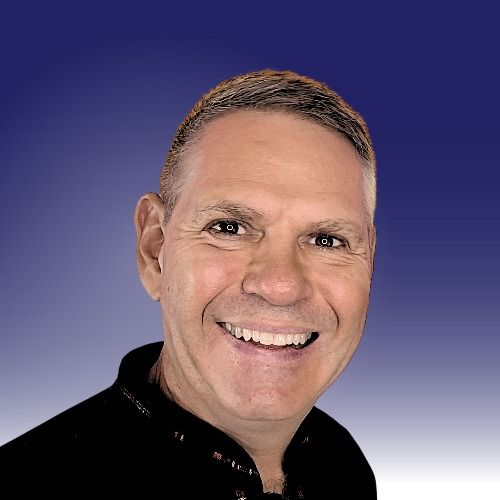
Episode 201
An Actor’s Path Through Film and Faith - with Stelio Savante
Episode 201 - An Actor’s Path Through Film and Faith - with Stelio Savante
This interview is also published in video format. You can watch it here: https://youtu.be/HLsbyCMOcpI?si=Be48471mJH3QXJ-E
In this episode of the Faith and Family Filmmakers podcast, Matt Chastain interviews actor/producer Stelio Savante about his career (including The Chosen as Moses), moving from South Africa and changing his accent, and how faith shapes his work. Stelio discusses why higher-quality Christian films are reaching wider audiences, what he looks for in directors, and his path to working with Dallas Jenkins. He highlights Hazel’s Heart (now on Angel), explaining what drew him to the true survival story of Hazel Miner. Stelio also discusses indie distribution realities, the film’s partnership with Samuel Goldwyn and Angel, and shares practical advice on filmmaking, budgeting, distribution, and spiritual discernment.
Highlights Include:
- From South Africa to Hollywood: Losing (and Finding) Accents
- Honoring Real-Life Stories on Screen
- Working Actor vs. Celebrity
- From Broken Home to Salvation
- Ministry Through Film
- Faith films are Finally Getting Good
- Why "Faith-Based" is Limiting
- What Makes a Great Director
- Working with Dallas Jenkins
- Hazel's Heart
- Fatherhood, Redemption & Real American Stories
- God-Ordained Projects: When the Story Finds You
- Learning the Directors's Vision
- How They Shot the Blizzard
- Filming Horses Indoors
- Distribution & Theatrical Reality
- Advice for Filmmakers
- Faith, Discernment and Spiritual Integrity
Bio:
South African actor Stelio Savante is a multilingual SAG award nominee & US citizen with over 140 international credits over the last four decades. A steady product of leading, large supporting, & recurring roles in television, & international theatrically released features that have accumulated almost $400 million in world-wide box office, & leading roles in billion dollar grossing video game franchises. He is known for his roles as a South African/Israeli journalist and undercover Mossad agent opposite Jim Caviezel and Claudia Karvan in the political thriller Infidel, a Portuguese mayor opposite Matt Dillon in the Hawaiian drama Running for Grace, a small town deputy directly opposite Anne Heche, in her final film performance in the noir What Remains, and a rogue policeman in the South African epic drama Colors of Heaven. In 2007 he became the first male South African-born Screen Actors Guild award nominee (Best Ensemble in a Comedy) for his recurring role on Ugly Betty followed by roles in the studio films My Super Ex-Girlfriend and Starship Troopers 3: Marauder. He is also known for the roles of Moses in the biblical series The Chosen, and the voice of Ajax in the popular video games Call of Duty: Black Ops 4 and Call of Duty: Mobile.
Facebook: https://www.facebook.com/steliosavante
X: https://x.com/StelioSavante
Instagram: https://www.instagram.com/steliosavante/
IMDb: https://www.imdb.com/name/nm0767445/?ref_=nv_sr_srsg_0_tt_0_nm_1_in_0_q_Stelio%2520Savante
Hazel’s Heart on Angel: https://www.angel.com/movies/hazels-heart.
The Faith & Family Filmmakers podcast helps filmmakers who share a Christian worldview stay in touch, informed, and inspired. Releasing new episodes every week, we interview experts from varying fields of filmmaking; from screenwriters, actors, directors, and producers, to film scorers, talent agents, and distributors.
If you would like to support the production of this podcast, you can do so at https://www.faffpodcast.com/support
Get Email Notifications: https://faffpodcast.com/email
Enter the Faith & Family Filmmakers Awards festival: https://filmfreeway.com/FAFFawards
FAFF Association Weekly Zoom Meetups for Filmmakers: https://www.faffassociation.com/events
Jaclyn's Book - In the Beginning, Middle and End: A Screenwriter’s Observations of LIfe, Character, and God: https://www.amazon.com/dp/B0D9R7XS9V
Produced by Geoffrey Whitt for Faith and Family Filmmakers Association https://www.faffassociation.com/ Edited by Jaclyn Whitt and Wally De La Fuente
Copyright 2026 Ivan Ann Productions
Transcript
Hey, welcome back everybody to the Faith and Family Filmmakers podcast.
Matt:I am your humble co-host, Matt Chastain.
Matt:This is my first time, uh, doing one of these that is, that's now video.
Matt:So I hope you guys, if you're hearing this.
Matt:You can jump over to YouTube and you can actually see, I don't know why you'd wanna see me, but, but you do want to see St.
Matt:St our, our, our guest today.
Matt:So now we are, we are really excited to have actor, producer, writer, St. Stio, Avante, uh, best known for his roles in Sarah's oil, SWAT The Sopranos.
Matt:Really, it's a career that.
Matt:Spans all the way back to the mid nineties with roll on several of the biggest soap operas, network tv, and of course a young short bearded Moses that we all know him from, from the chosen.
Matt:So his latest projects, Hazel's Hark, is now actually available on Angel and I hope you go check that out.
Matt:But we're honored to welcome you today, veteran actor Stella Yos, Avante.
Matt:So man, thanks so much, uh, just for spending some time with us today.
Stelio:Hey, thank you.
Stelio:Thank you for having me on.
Stelio:It actually started.
Stelio:In the very early nineties.
Stelio:It was during, uh, theater in the South when I very first moved to the us so, uh, which, so 1990s actually, when, when this started a very long time ago.
Stelio:But thank you for having me.
Stelio:I'm happy to be here.
Matt:Absolutely.
Matt:So you're originally from South Africa though, right?
Matt:Yes.
Matt:So we, we've Americanized the accent out of you, but I'm sure you can pull it back at any time.
Stelio:Yeah.
Stelio:You know, early my career, that was a conscious choice that I made.
Stelio:Um, when I was attempting to, to break through a lot of the advice from casting directors was we, we'd rather watch the work than hear the accent.
Matt:Hmm.
Stelio:Um, now we're in a world where ethnicities are good.
Stelio:They're actually encouraged, and I speak several languages, so the accent itself was very strong.
Stelio:South African when I first moved over, and that was a, a conscious.
Stelio:Career choice.
Stelio:'cause you, you want to be, you want to train yourself to be thinking in the same accent you're going to speak in.
Stelio:It was natural for me to think in a South African accent, so I had to make a conscious decision that took years of working on, in order to come up with the fakes accent that you're hearing right now.
Stelio:So.
Stelio:The,
Matt:the fake accent that you speak naturally in, you know, even as an actor, myself from the south, you know, when I was growing up, I talked black dish right here.
Matt:But as soon as they put, put us in theater, you know, they train you to now go to that kind of Midwestern, more general accent.
Matt:It seems like an accent you can bounce to different regions in a little more easily.
Matt:I guess s
Stelio:yeah, I don't, I don't think, I don't know that actors think of it in terms of regions.
Stelio:I think it's in terms of what serves the role best.
Matt:Mm-hmm.
Stelio:Um.
Stelio:You know, for me, and it's, it's, it's a blessing.
Stelio:I've played so many nationalities because I am about seven of them myself.
Stelio:Most recently, I had a learn to speak Arabic for an Israeli October 7th film that we shot based on the true life stories of three of the hostages that we filmed, Tbilisi with Selma Blair and Judd Hershey.
Stelio:It was incredibly difficult because it wasn't just Arabic, it was Zen Arabic, which they speak in za.
Stelio:And, um, that was a mountain to climb, but it was, it was worth it compared to what the hostages had to go through.
Stelio:We wanted to just be able to do something to honor them.
Stelio:So, um, yeah, it, it's, it's more, um, you know, personal, like wardrobe would be like mannerisms would be, and, and whatever serves the character best.
Stelio:Yep.
Matt:That's what serves the audience the best For sure.
Matt:Um, so, you know, I look at your IMD page and man, it, it is really impressive to see such a, a long resume spanning so many decades of such a, a busy actor.
Matt:You're one of those guys, everybody recognizes your face.
Matt:While you may not have a star on the Hollywood Walk of Fame yet, do you find that more rewarding to be able to be a busy working actor without having to deal with the, you know, the, the, the giant fame?
Matt:'cause I mean, you're, you're on these projects that themselves are, are, are huge, you know, all the biggest TV shows.
Matt:A lot of giant movies, but you can still go to, you know, Applebee's with your family if you want, without having to deal with that end of it.
Matt:I'm just asking about the, you being able to focus on the craft of acting over, uh, rather than all the, the, the distractions of being such a huge celebrity.
Stelio:Yeah, I mean, um, it's, it's not a simple answer because I do get recognized quite a bit, but a lot of my friends are very, very well known are, I do have some friends that are a-listers, and it is uncanny how they will have to disguise themselves when they're going out, even to take their dog to the dog run.
Stelio:And over time, um, you know, again, you, you speak of the craft, craft of acting, but then you're talking about the audience version of it in public.
Stelio:I think those are two very different things.
Stelio:I think we get into this and projects, find us.
Stelio:In my case, I know it's, they find me divinely because it's my fourth decade doing this.
Stelio:I've been blessed to be in projects that have grossed close to a half billion dollars, and that's all the lord's doing in terms of, um, the way the audience sees something you can, you'll never know quite how they respond.
Stelio:And just got done filming in Brazil while I was down there.
Stelio:I was down there filming a political thriller for just over two months with Jim Zel and Morales.
Stelio:A local, um, uh, journalist found out that, that I was filming there, wanted to interview me immediately.
Stelio:We organized it for her to come on set.
Stelio:Next thing I knew, the next few days on set, everybody that's a fan of the chosen was, was coming up asking for photos, autographs.
Stelio:So it, it really, um, I, I don't focus too much on, on that.
Stelio:Um, that's not, I don't think that's really in any actor's.
Stelio:A head space when we, when we approach a role and, and what we feel we're able to bring to that role to honor it, to have a better understanding of what serves the role.
Stelio:Definitely not what serves the audience, but what serves the character, what is the character's needs, what's bringing them into that scene?
Stelio:What's driving them?
Stelio:What's their opinion of the other characters in the scene?
Stelio:And.
Stelio:It doesn't matter whether we're working with an Alister or somebody who's starting out the way we did 35 years ago, is is irrelevant at that point.
Matt:Yeah, that makes total sense.
Matt:And you gave all glory to God.
Matt:So I, I mean, I, I want to go back then and talk a little bit about your own faith journey.
Matt:I mean, did you grow up in a Christian household or did you come to Christ later in life?
Stelio:I grew up in a, I had a very tumultuous youth.
Stelio:I grew up in a, I grew up in a broken home in South Africa.
Stelio:My father.
Stelio:Was an immigrant.
Stelio:He and my mother divorced when I was very young.
Stelio:I dealt with a lot of issues of self-hatred and not feeling worthy.
Stelio:And at, at age, uh, 14, I gave my life to the Lord with a in, in Cape Town.
Stelio:At the time it was called the Body, but they weren't necessarily functioning in a way that I would call biblically discerning right now.
Stelio:But it was Christ's message of love.
Stelio:Of acceptance, of being created with a purpose.
Stelio:And, you know, fast forward to where I am today.
Stelio:Uh, the Lord allows you to make mistakes.
Stelio:He allows you to, uh, lean into him.
Stelio:I'm actually in the process.
Stelio:I just finished studying Romans.
Stelio:I'm, I started on Corinthians three and it's, it's fascinating to me how Paul, everything he's speaking about is no different from what we're facing today.
Stelio:I'm very plugged in with my church and life group,
Stelio:and I do think a lot of these projects that are in faith forward, the majority of which have not been my career, only a few have, but a lot of them, like the chosen, like Sarah's oil, like Hazel's heart, like between borders, which we've filmed in Romania form of ministry, they, they form part of what I think the call and the invitation is to the Great Commission.
Stelio:We're not all called to be pastors.
Stelio:But we are called to go out, tell them, baptize them, spread the word, and one can do that all over the world on, on film sets in a way that the traditional church cannot reach.
Matt:Yeah.
Matt:So you talk about having done some of the faith forward, uh, films that, that seems like more recently for sure.
Matt:Looks like from my research.
Matt:Uh, 2011, when you did Colors of Heaven, was that kind of your, your first entry into the so-called genre?
Stelio:Uh, colors of Heaven isn't a faith film.
Stelio:I mean, it has a brief faith message, but colors of Heaven is a, a true life biographical epic.
Stelio:That's, if anything, it's way closer to being a thriller.
Stelio:Okay.
Stelio:I definitely wouldn't call that a, a Christian film.
Stelio:Now, it does have a brief message of salvation in there, um, but I think as you just said, and, and astutely so.
Stelio:Really, the last few years I've felt the Lord prodding me and bringing me into more of those, and I think it's lined up well because for the longest time, Christian product was horrendous.
Stelio:Uh, Christian films were terrible.
Stelio:They were not well done.
Stelio:Scripts were more like pamphlets or sermons.
Stelio:And the same way, I don't go to a movie theater to worship the Lord or hear a pastor's message, I shouldn't be preached at.
Stelio:And I think they've caused more harm than good.
Stelio:Now, that being said, the, the Bible's written, most of the New Testament actually is for believers.
Stelio:So there's nothing wrong with making films for the, for, you know, fishing in the Sea of Galilee.
Stelio:But we're called to go out to the world and I think because of product like the chosen, the films of the Kendrick Brothers, the Irwin Brothers, who I was just with it, the Movie Guide Awards this weekend, they're producers of Sarah's oil...
Stelio:I think, I think Christian films for the longest time had great messaging, but they were completely bankrupt of any artistic integrity.
Stelio:They were vacuous, so they, they, they did not understand a three character arc. The writing was weak, the acting was horrendous.
Stelio:The cinematography was not framed well and vice versa.
Stelio:You had a lot of secular projects that were exceedingly well executed, but they were gratuitous.
Stelio:The message was not wholesome.
Stelio:It was very dark.
Stelio:And you'd walk outta the theater?
Stelio:Not exactly feeling, at least for me, I wouldn't feel fulfilled.
Stelio:So we have arrived.
Stelio:We've arrived at the era where there are great filmmakers, Cyrus Naste, Dallas Jenkins.
Stelio:I mean, we, we have enough of them out there that are brilliant at what they're doing.
Stelio:So the artistic integrity is helping move these artistic vehicles into more mainstream circles where we're getting three or 4,000 screens, we don't need permission anymore.
Stelio:Because the quality of the product is better than it's ever been.
Stelio:I don't even like the term faith-based.
Stelio:I think it's kind of silly to be honest with you.
Stelio:I think it's a way of pigeonholing us and almost slandering us and, and some of it is well deserved because our product wasn't good for so long.
Stelio:But that being said, a lot more of our great actors that are known for mainstream films, our Academy Award winners are now in projects by the Irwins, by Cyrus.
Stelio:Um, you know, I'll call it God's timing.
Stelio:It, it's definitely mm-hmm.
Stelio:His hand in my life.
Stelio:I cannot take credit for anything that is good in my life, personally or professionally, without God's hand being part of it.
Matt:Well, you're talking about the mistakes we made as, as Christians in making films.
Matt:I mean, I, you look no further than than Jesus himself who.
Matt:You know, the disciples are questioning him.
Matt:Why are you telling all these, why are you telling them parables?
Matt:Just preach to them.
Matt:Right?
Matt:And he's, he's kind of making the point when, when he tells them why he's, he's sharing parables.
Matt:He is making the point of, of subtext over exposition, you know, as, uh, Snyder would say and save the cat.
Matt:Exposition kills cats.
Matt:But that's the problem, right?
Matt:Sermons are expositional and stories should be sub-texual and, and character driven and story driven.
Matt:And I think that's, that's, that's what we gotta do a better job of, I think.
Matt:And I think as an actor, you'd probably, you appreciate, uh, um, any director, any writer who's, who's able to, you know, tell a story through subtext rather than exposition.
Stelio:I mean, that would go without say, but I don't think there's anything wrong with concept driven material either.
Stelio:It doesn't all have to be character driven.
Stelio:And I think one has to be careful when categorizing or putting things into boxes, which are industry so quick to do.
Stelio:I,
Matt:yeah.
Stelio:I, I've had a very long body of work in theater and video games as well, and
Matt:Hmm.
Stelio:Um, what I've learned on that side is, and, and really this pertains to anything, the Lord is the greatest artist.
Stelio:You know, when my child was growing up, I would always gutter my way to remind no two sunsets in sunrises look the same.
Stelio:When we wake up, everything is already reflecting God.
Stelio:Why should we be any different?
Stelio:But you wouldn't expect.
Stelio:A nonbeliever or somebody who doesn't know the word to be preaching it, because what is it based in?
Stelio:You have to be invested in what you're putting out into the world.
Stelio:Otherwise, to me, it could almost leak into bearing false witness.
Stelio:And for the longest time we were making films for the choir, and I think a lot of those films were circuitous in terms of the methods they used.
Stelio:There would be an ultra scene, there would be a lot of perfect cardboard cookie cutter characters.
Stelio:And that is not the Christian walk.
Stelio:I've never met a perfect person in my life outside of the one i I follow and I, and I pray to in whose word I read.
Stelio:Um, so we, we've caught up and you know what?
Stelio:That's okay.
Stelio:The Lord used COVID through the chosen to reach countries through the app, uh, who traditionally.
Stelio:I would say censor everything that their citizens see through mainstream television.
Stelio:And yet here was the chosen, here were people learning about Jesus Christ in, in parts of the world where, where Christians are persecuted.
Stelio:And I've seen it firsthand.
Stelio:I've worked on many continents and been to countries where apostasy, I mean the penalty's death, so,
Matt:mm-hmm.
Matt:So I, I always like to ask actors because we have an audience that is so many filmmakers, and, and I want to hear, I want them to hear this from actors so they can learn as, as they pursue their craft.
Matt:But as, as an actor, I wanna know what it's like, you know, to, to work, or I wanna know what kind of director you like to work with.
Matt:What is it that directors can do for a skilled actor to, to help you achieve that character?
Stelio:You want somebody that knows the buck stops with them, somebody that's well prepared, somebody that's not a tyrant, that is open to translation.
Stelio:Any confident director, the same as any confident cinematographer is going to understand the actor's process.
Stelio:I ironically learn more about acting in terms of people in the industry from Roger Deacons than I did anybody else because he helped me understand the process of learning how to master camera, the process of learning.
Stelio:Coverage, the process of understanding framing, and you want your director ultimately to be able to achieve three things, that when you get on set, you have the conversation with him long before you're on set, so that you're ready to start.
Stelio:Be as prepared as you can, but for that director to have the ability to trust and be open and at the same time, know exactly what their vision is.
Stelio:And, and if they don't, that's fine, as long as they're open to admitting it and, and, and making it, um, a more, um, creative con to, to give you creative convergence.
Stelio:Because often I've been on sets with first time directors, and a lot of them, especially if they're writer directors and not directors for hire, they struggle.
Stelio:They're very literal.
Stelio:They want everything to be as scripted.
Stelio:They don't quite understand that what makes films so special.
Stelio:Is the organic raw discovery of what's happening when you're in it, and they should be invested.
Stelio:So one, they have to understand every actor is different and has a process.
Stelio:Two, they have to have a great ability of knowing the narrative and understanding narrative and understanding subtext, which you talked about before.
Stelio:And third and finally, I, they, they need to have a great chemistry with their cinematography.
Stelio:And with their cinematography department, with their dp, um, so that you can get through your days and get what you need because there's nothing worse than getting on a set where you only have one take 'cause they're not well prepped and they're running behind or vice versa.
Stelio:The opposite of that is, and, and some of the great directors work this way.
Stelio:They want 70, 80 takes.
Stelio:I've been through it on studio projects and it's, it's, it's not conducive to the art of filmmaking.
Stelio:I think now we live in an era of digital film where directors have more time, they can get more takes.
Stelio:It's not as expensive, but you just, you want a director that's confident, you're confident you want a director, that when you have that conversation with them before you take the job, um, understands how you like to work and, and also is very clear in their vision and, and what their expectations are.
Matt:So you got a chance to work.
Matt:Speaking of, I think great directors, you mentioned Dallas Jenkins earlier.
Matt:Um, a lot of people may not remember that you were in a short film with him.
Matt:The two thieves?
Matt:Yes.
Matt:Even before the chosen.
Matt:Mm-hmm.
Matt:Is that, I mean, is that, I assume that's how you met Dallas and how you, your relationship carried over to the chosen?
Stelio:No, not at all.
Stelio:Uh, I had actually done a film That's very good.
Stelio:It's, you almost hit it on the head.
Stelio:I had done a film called, um.
Stelio:What If with Dallas in about 2008.
Stelio:It was kind of a faith forward version of Family Man with Don c Chito.
Stelio:Okay.
Stelio:So yeah, we became friends in around oh six, worked together for the first time, I think in around oh eight.
Stelio:Constantly stayed in touch.
Stelio:I then did do the two thieves.
Stelio:That was where I met and became very close friends with Jonathan Rumi as well.
Stelio:And then, um, was offered a role in the chosen that I actually wasn't available for because the dates kept being pushed.
Stelio:Uh, I was, I was contracted to do infidel in Jordan in the Middle East with, uh, Jim Visal.
Stelio:That was my second time working with him.
Stelio:I've now worked with him four times and um, Dallas is like, don't worry, we'll find something else.
Stelio:And while I was in the Middle East, I went to visit Mount Nebo.
Stelio:I went to all of the biblical sites.
Stelio:My wife and daughter came with me.
Stelio:Saw where Moses was buried, saw what he saw, which is the holy land.
Stelio:But he couldn't go in.
Stelio:He couldn't go in because he'd struck the rock.
Stelio:He couldn't go in because the law cannot carry you through the promised land.
Stelio:Only the Lord can.
Stelio:So, um, right.
Stelio:It was very emotional for me, as was Gethsemane.
Stelio:As was, um, uh, pretty much every place we visited where the Lord had been, even where he was baptized by John.
Stelio:And, um, I had this.
Stelio:Very strong experience at the top of Mount Nebo with the snake in the pole, like returned to the us.
Stelio:Three months later, Dallas reaches out and says, I have a very iconic role for you.
Stelio:You can say no, I really would prefer you said yes.
Stelio:And I said, Dallas, what's the role.
Stelio:I read it, it was Moses and I had, I had no idea, but God did just came back from having experienced so much of.
Stelio:The footsteps Jesus walked in, what he went through, what life is like there for Christians, whether they're Palestinian or Israeli or, or, um, the underground church, the persecution they're facing.
Stelio:And then get offered that role in the chosen.
Stelio:And, um, I've worked with him, you know, since then.
Stelio:I can't say too much about that, but no, I, I first met Dallas.
Stelio:We had started talking online in oh six about wanting to work together and then, uh, what remains was the first one?
Stelio:Sorry, not what Remains, What If I'm confusing it with Nathan Skain film?
Stelio:It's called What If.
Stelio:What Remains is a film that I did with, uh, with Nathan s Coggins and Crest Williams and Anne Ha beg your pardon.
Stelio:What If.
Matt:Well, the Moses role of Moses, it seems like you got some real divine preparation for that, that role, not, not even knowing you were preparing, you were being prepared.
Matt:So that's, that's a, that's amazing.
Matt:Yeah.
Matt:Um, we should probably move into Hazel's heart a little bit, kind of why you're here.
Matt:The, the, the film that's now on, uh, on Angel.
Matt:I, I watched the, the trailer.
Matt:Very intrigued.
Matt:What intrigues me about this story?
Matt:Is that, and again, I've only seen the trailer, but that, that does take part like in one day basically.
Matt:And I, I really enjoy stories that are, for the most part, shoved into one day.
Matt:There's so much drama in that.
Matt:So the stories of, uh, a true story of survival encouraged, um, but, but what first moved you when you kind of read the script personally about Hazel's story?
Stelio:Um, you know, I'm a father.
Stelio:It's a great privilege.
Stelio:And
Matt:yeah,
Stelio:a father to a, a young lady who is now 19 years old.
Stelio:Um, when I shot this film, she was, she had just turned 17 and Hazel's story to me, I think falls into a category of film, Matt, that so much of this country wants to see that is hungry for, and that's Americana.
Stelio:True stories.
Stelio:Of people who struggled but were overcomers.
Stelio:She was a heroine and we've not seen enough of that.
Stelio:I, we, you know, we went through a stage in our cinematic history where unfortunately we had such a complex, and I would almost inferiority complex about Vietnam.
Stelio:There was entire generation of Vietnam films.
Stelio:We will sometimes see certain directors lean into these kind of stories.
Stelio:I think Clint Eastwood did it beautifully with American Sniper.
Stelio:There are many examples of that, but the story of Hazel... daniel's writing pulled me right in.
Stelio:Especially the role of William.
Stelio:William is a, uh, you know, it was turn of the century.
Stelio:We're talking struggle, no electricity, so to speak.
Stelio:There's a very, the seasons really demand a certain type of lifestyle and, um.
Stelio:It was, it was his writing, it was his vision.
Stelio:We discussed it first.
Stelio:I wanted to know exactly how the effects were going to be.
Stelio:'cause there's no way you could shoot this outside.
Stelio:You'd need a hundred million dollars budget.
Stelio:And I was very impressed.
Stelio:Uh, 90% of the film is shot actually in an abandoned K mart Um,
Matt:no way.
Matt:That's awesome.
Stelio:Yes.
Stelio:That's very neat.
Stelio:And I credit him and his effects team.
Stelio:And the cast.
Stelio:So, um, yeah, the conversation with, with Matt, put it over the top for me.
Stelio:I was immediately drawn to William, his struggle, his conflict, his need to protect his children.
Stelio:You know, even biblically we are protectors and providers as men.
Stelio:And then beyond that, the opportunity to redeem errors that he had made.
Stelio:Um, I also felt that, again, it was one of these films that like Sarah's Oil.
Stelio:There is so much beautiful American history, stories of struggle that we overcome, and yet so much of our industry is steeped in victimhood, which,
Matt:yeah,
Stelio:I don't quite understand because if you want to honor someone and you want to give someone hope, tell the stories.
Stelio:We all we already know, and you can tell them both from the perspective of the oppressor and the oppressed.
Stelio:But tell some of the good ones outside of North Dakota.
Stelio:Not many people know who Hazel Miner is, and even in doing Sarah Rector's story, this country's first black teenage female millionaire.
Stelio:There were many people in the black community who didn't even know her story.
Stelio:Why is that?
Stelio:So being able to and, and the Lord, just these projects just find me.
Stelio:I mean, it's pretty remarkable.
Stelio:Even the project I did in.
Stelio:In the Middle East, I had to play the head of Hamas.
Stelio:I didn't want anything to do with the project and God brought it back twice as hard.
Stelio:He wanted me to play that role.
Stelio:I'm one quarter Ashkenazi, my mother's a Messianic Jew.
Stelio:So e every project that the Lord brings, there's, there's a very direct connection to the script.
Stelio:And with Hazel, there were three or four of those.
Stelio:And you pray about it and, and then you know you're meant to do it.
Matt:Yeah, so the story does center on a 16-year-old girl who's protecting her siblings during this deadly blizzard.
Matt:You said your daughter was 17 at the time, so I can see why you, you would totally be attracted to that.
Matt:The girl is your daughter's age and so that's pretty easy to bring that protective instinct to her.
Matt:But I, I, I wanna go back 'cause you said something that was very interesting to me.
Matt:'cause earlier you had.
Matt:We had talked about what you want to know from the director when you first, you wanna understand their vision of it.
Matt:And you, you mentioned this specifically.
Matt:So what was that conversation like?
Matt:How did that director sit down with you and kind of explain the vision in a way that really drew you to the story and made you wanna do the project?
Stelio:So, when casting reached out to my agent and manager making the offer, my, uh... with almost every project now, I will always request the director conversation first.
Stelio:This is going back for probably the last 20 years, and in television you aren't always given the luxury of that because you're part of a much more controlled format where the director of the week or the director for the show doesn't have that kind of availability till you arrive on set.
Stelio:Mm-hmm.
Stelio:Um, you still have the conversation, but it's with an understanding on the film side and as it was with Daniel, um, I had said.
Stelio:To him in that conversation, I want to hear your vision for the project.
Stelio:Let me know how you're gonna execute the storm.
Stelio:And what he did was he showed me all of the tests that they had done.
Stelio:I was very, very impressed with the way they shot the story.
Stelio:For folks who've seen the film, you'll notice there weren't necessarily a lot of 15 or 17 or 18 millimeter lenses, which is a much wider lens.
Stelio:We could show depth of field.
Stelio:Inside, but he wanted a sense of claustrophobia, of, of being stuck inside the storm.
Stelio:You're blinded, you can't see.
Stelio:And he made that evident from the beginning.
Stelio:And I love that because I felt it very much supported the narrative.
Stelio:You, you don't want to be in a film where you're the style and the vision and the cinematography goes against the great of the narrative that might work for pieces that are non-linear.
Stelio:But I think for this specific piece.
Stelio:It was compulsory.
Stelio:And then we discussed, William and I had a few script notes.
Stelio:I had a few questions.
Stelio:I wanted to know a little bit more about who was playing my wife, who some of the other characters were, because for years I've been bringing friends, both very well known friends and, and actors just starting out into my projects.
Stelio:Uh, despite not being famous, I'm established enough that I can do that, and it allows me to work with people I have friendships with that I know I can trust.
Stelio:That I know are gonna show up that I know have either a great work ethic and or are personally invested in the project.
Stelio:So, um, that conversation went very well.
Stelio:He showed me the screen test ironically with his son because, um, my son and daughter, my younger son and daughter in the film were played by Daniel's, uh, the younger son and daughter.
Stelio:And it was fascinating to watch him work through the process of that.
Stelio:Um, and I was very impressed with what I saw.
Stelio:I wanted to, to know a little bit more about who the cinematographer was, see their style, and, um, I'd say that, that by the second call I was in, you know, I, I knew that I, I was just ready to, to dive in.
Matt:This is a more specific question, but I'm ju you, you mentioned the Kmart shooting inside an abandoned Kmart.
Matt:Was the snow storm outside generated practically, or with giant screens or a combination of both?
Matt:Or how, how did they 'cause from the trailer that I've seen, it, it, it looks good.
Matt:It's, it's very well done.
Stelio:Yeah, it does, it does.
Stelio:I mean, we had offers for many, many distributors and, um, my relationship with Samuel Goldwyn.
Stelio:Was was good.
Stelio:Um, I'd taken films through distribution before and they felt like the right distributor and then Angel were the first ones to license it because the quality of the film is solid.
Stelio:Um, I'd say, you know, Daniel would be far better qualified to answer this question.
Stelio:I'd say maybe only around 15 to 20% of the film was shot outside.
Stelio:Um, we did some B roll during the winter months to get the shots of the carriages and everything that was in the snow because we were filming right where it happened, which was North Dakota, there wasn't any snow storm that was shot outside, but there was snow, you know, thick of winter.
Stelio:For the indoor scenes, the first few days were interesting because we had to bring in the horses with a great, great Wrangler family known as the Schultzes that I'd worked with before.
Stelio:You have to give them a certain kind of shoe where they're gonna slip on the plastic and their horses are used to working with camera.
Stelio:A lot of horses that are not will get freaked.
Stelio:They'll get spooked by a drone or a camera coming too close with them.
Stelio:So they got that out of the way.
Stelio:But yeah, they were able to, to shoot, I'm, I'm pretty certain everything and anything that had to do with the madness of the, like the, the heart of the storm was all shot indoors.
Stelio:The other whatever, maybe 15 to 20% of it was shot outside.
Stelio:Um, in the, in the thick of winter and we were able to get, you know, a lot of support from locals with some of the locations we shot him because it's literally where it happened.
Stelio:We, we even had a family member, Matt, um, Darren Vogel is, is a great nephew of hers and Darren is one of the, the, um, the background and the film.
Stelio:And he was kind of a consultant with the whole thing, which brings it to life.
Stelio:'cause we felt like we were, we were also honoring her family, which I think is important.
Matt:So you're also, in addition to being an actor, uh, you kind of hint, uh, alluded to it a little bit, but you're, you're an executive producer, so you know the deal you negotiated with Samuel Goldman films.
Matt:What, what does that partnership really mean for, for the reach of, of faith centered audiences or faith centered films like this?
Stelio:You know, with every, and any film that's out there, you, regardless of what's on the script and regardless of what you get in, uh, on the day, whether it's six weeks or three months.
Stelio:Yeah, until you have what you have in the can and your editor and director have come up with what they consider to be their director's cut, um, you don't really know what you're looking at.
Stelio:And with the era of distribution that we're in right now, which is harder than ever to get into theaters, um, between, I, I would attribute it to, uh, streaming and, and most definitely the DC and Marvel comic book universes that have.
Stelio:Unfortunately made it close to impossible because cinemas theater theaters are mostly interested in one thing.
Stelio:Their business is there for profit and they have to fill seats.
Stelio:And if you go to an A MC on any given weekend, the one around the corner for me, 16 screens, 12 to 14 of those will have DC Comic Book or Marvel, Marvel comic book franchises.
Stelio:If not that, they'll have knives out or whatever it might be.
Stelio:So for the independent film, the Pure Cinema.
Stelio:The filmmakers who are out there making you know, true, not, not always true, but great stories in the form of true independent filmmaking, meaning they don't have a studio system behind them and in some cases have to fundraise.
Stelio:You want to be able to know what the other side of that looks like.
Stelio:'cause that's when ROI comes in and return on investment comes in the form of hopefully an mg, which is a minimum guarantee.
Stelio:That said, distributor will give you, they will sign mostly 10 year contracts.
Stelio:We had interest for many distributors in that film.
Stelio:I was, um, I love Samuel Goldwyn's reputation.
Stelio:I love their history, and they are, without a doubt, one of the, the class acts of independent film distribution without being a studio.
Stelio:Um, so yeah, I mean, I have taken, I started producing a long time ago actually in theater.
Stelio:On a a nine 11 project we had done based on first accounts of people who saw it, I'd brought it out to Los Angeles.
Stelio:I had invited some of my very well known actor friends into it so we could sell tickets.
Stelio:It always helps and have just continued with that in film.
Stelio:I'm blessed to have great mentors, the overwhelming majority of who are believers, and if there's a project that that I am on or part of, or even if friends have projects that are looking for distribution.
Stelio:As a producer, I have those contacts all the way from studios through to the high-end indie distributors, all the way down to the genre distributors.
Stelio:And this was one that Daniel and I had discussed that we felt we could really reach.
Stelio:You know, there, there was no blast ceiling on it because Hazel is not a, a mellow, dramatic Christian film that that audiences are used to seeing.
Stelio:It's really a true life story.
Stelio:Survival drama that's leaning into Thriller.
Stelio:And because of that, almost all of the offers and interests that we had were from mainstream distributors.
Matt:Yeah, it seems to reflect themes of, of Providence sacrifice, heroic love, and I. A lot of that, I, I, you mentioned only seeing Marvel movies, you know, in, in cinema these days, and that's obviously has to do with the, the cost and the risk associated with the p and a and that, and that kind of thing.
Matt:And, but the, the problem, the sacrifice we're making is that we don't get original stories anymore and certainly not with, with these themes, Providence sacrifice, heroic love, I, you don't see that in, in your average Marvel movie.
Matt:So.
Matt:It's very heartening to see a film like yours, um, that, that's able to, to get distribution and able to, to reach wide audiences.
Matt:'cause otherwise, I mean, think of all the great movies of the, the indie films of the nineties, for instance, that we would've never seen had they had, had Tarantino been born 30 years later.
Matt:For instance.
Matt:All this shouldn't mention Tarrant you on a Christian film podcast, but let's be honest, he's one of the, the great independent filmmakers.
Matt:Of course.
Matt:Yeah.
Matt:Yeah.
Matt:But you know, for filmmakers who are, you know, Christ centered, that that is, that, that's, that's something we run up against every day is the impossibility of getting an original story told, made and, and, and distributed.
Matt:So it's, it's, it's certainly, um, inspirational to see that, that you guys have.
Matt:But do you have any advice for young filmmakers or, or.
Matt:Um, not even, even not young filmmakers.
Matt:Even old filmmakers doing it for, for the first time who were, who are pursuing original stories like this.
Stelio:I do.
Stelio:I, I do for a second.
Stelio:Wanna say I, A lot of people within a certain generation and diehard friends do feel that the superhero stories are heroic.
Stelio:I think it's the magnitude of the narrative and the magnitude of the way the narrative is portrayed.
Stelio:Which is bigger than life, and you have hundreds of millions of dollars behind them.
Stelio:You have huge p and a campaigns and
Matt:Yep.
Stelio:For the young filmmaker or the, the, you know, more weathered filmmaker, um, regardless of budget, you know, the greatest advice I, I could give them is have a very specific idea of the vision that you want.
Stelio:And then look at other films in the same genre, in the same world, in the same vein that were made for similar budgets.
Stelio:It's not difficult to find that information out, see what worked for them.
Stelio:Watch those films, see who distributed them if they were recognized critically.
Stelio:Look at some of the actors that were in them.
Stelio:Understand your craft chase.
Stelio:A cinematographer that is able to tell the story that fulfills your vision within your budget.
Stelio:But isn't a first timer.
Stelio:Um, there's nothing wrong working with first time dps, but if you want your film to land distribution and you're a first time director, you don't want to have a first time director and a first time cinematographer and actors that have never acted before.
Stelio:So surround yourself with people.
Stelio:Really, a lot of times with directors, it's about putting people in positions to succeed that are great at knowing what they do, so that you don't have to be a traffic controller.
Stelio:You.
Stelio:What makes great directors great is they hire great people and trust them to do what they're right at doing.
Stelio:That's how they soar.
Stelio:That's what empowers everyone on that set.
Stelio:And I think the flip side of that is have a great producer and production manager that when you make a budget, leave money in there for post-production and press an advertising.
Stelio:Because the film only really starts its trajectory once it's already in the can.
Stelio:That's how your return on investment comes in.
Stelio:You can cast as many influencers as you like.
Stelio:You can cast as many names as you like, but you have to be responsible in understanding the business, end of show business.
Stelio:So consult, learn, ask, find mentors.
Stelio:Talk to people who've done it before.
Stelio:See what worked for them, but also learn from their failures.
Stelio:Ask them what the areas were that they struggled in, get a sense from them of the kind of actors that have traction in the genre that they want to put out.
Stelio:You know, so many times over, over the years, even on the distribution side, you're talking to very well known distributors and they love the product, but because there's a comedic actor in a, in a thriller, or because there's a horror actor in a drama.
Stelio:They, they don't quite you.
Stelio:You have to understand what your film is.
Stelio:It's the same advice I'd give any actor.
Stelio:Know who you are when you look in the mirror.
Stelio:Don't mistake yourself for a leading man.
Stelio:If you're a character actor.
Stelio:Don't mistake yourself for a comedic actor.
Stelio:If your natural instinct and what you can draw from in your life is, is heartbreak and pain.
Stelio:It's the same with directors.
Stelio:Know what you are when you and your product.
Stelio:Look at themselves in the MEB way before you get to set.
Stelio:Preparation is paramount.
Stelio:You have to invest yourself fully if you can do that and make the best product possible.
Stelio:Most of the time, not always, but most of the time, the distribution takes care of itself.
Matt:You mentioned one thing that, that brought this to my attention, and I think that a lot of mistakes that a lot of, uh, first time filmmakers who are Christians make, is that we depend on God to bring us a miracle, right?
Matt:We just say, God gave us this script and we, and you mentioned budget for instance.
Matt:You know, we're gonna put all the money into the, to the production and God will provide post-production and, and p and a and distribution.
Matt:But the, the truth as you pointed out is that when, if, if you get to that point where you have an unfinished film or even if you manage to, to, to get through post production, and now you have nothing for, for distribution, you, you're all, you're now in a very weak negotiating position with dis distribu distributors who know what they're doing.
Matt:And, and you don't wanna be in that weak position, I would imagine.
Stelio:Well, no, of course you wouldn't.
Stelio:And, and I mean it.
Stelio:Often would behoove you to have a producer that's been through the distribution process before and you're a hundred percent correct because when the Lord parted the sea for Moses, he still had to walk through it.
Stelio:Wh when when you are in a life raft and you're praying for help, if the Lord has given you an oar, roe for the shore, we're not helpless.
Stelio:We are meant to use everything that he's given us.
Stelio:And that discernment can embellish itself in many different forms.
Stelio:So I think at some point, and you can go right to Romans, find out what your gifts are.
Stelio:Mm-hmm.
Stelio:Mind those gifts.
Stelio:Surround yourself with people who are like-minded and trust in them and have, um, again, creative convergence that goes beyond.
Stelio:What is on the page?
Stelio:There's a reason you see certain filmmakers using the same cinematographers and actors over and over and over again.
Stelio:There's a sense of trust, but from beginning to end and through post and promotion, everybody's on the same page and you can trust them.
Stelio:They know what to do with what they've been given.
Stelio:That's in the secular, um, movie world as well.
Stelio:It's, it's not just Christian films that's across the board.
Matt:look clearly.
Matt:I think it's very clear from our own, our quick little 45 minute conversation that, um, much of the, of the discernment that you have ha does come from your surrender to Christ.
Matt:So how do you balance artistic excellence with spiritual integrity in this business?
Stelio:You know, it's a fine line and I think at one, at, at some point.
Stelio:We all, we being believers, have to line up the way we're living our lives and the product we're choosing because we are, we are living in a goldfish bowl.
Stelio:Uh, people watch what you do.
Stelio:You're under a magnifying glass.
Stelio:That doesn't mean we don't make mistakes.
Stelio:We're not perfect people.
Stelio:We're just forgiven sinners.
Stelio:It doesn't make us better than somebody who's an atheist or a Buddhist.
Stelio:We're better off 'cause we know where we're going because that's what our faith tells us.
Stelio:But, um, there's ways of aligning it.
Stelio:You know, I'll give you a brief example.
Stelio:When an offer comes to me, it will have been prayed about beforehand, before I even know, because the Lord's been providing and I never stop working.
Stelio:Now this is for,
Matt:you know,
Stelio:34, 35 years when the project comes, their spiritual discipline that goes along with that.
Stelio:Is this a project or a role that I should do if the character is a murderer?
Stelio:If he's a a, uh, whatever he might do, is there a consequence for his sin or is his sin glorified?
Stelio:There's nothing wrong in playing people who are flawed and sinners.
Stelio:The, the Bible's the most r rated book that's ever been written.
Stelio:But is there a consequence for what that person is doing or is there glorification?
Stelio:Then once you're on set, treat everybody like, like gold.
Stelio:We are to serve others above ourselves.
Stelio:We're to pray for them and we're to pour into their lives and invest in their lives.
Stelio:And the Lord will put people in your life through every project you work on that are either believers or backslidden, or people who are searching.
Stelio:This industry draws people that there are a lot of lost souls in entertainment.
Stelio:You know, it's not your typical nine to five.
Stelio:But that's also because a lot of artists who are brilliant struggle, they struggle with many things.
Matt:Um,
Stelio:so I think that fine line comes in the form of discernment, behavior, commitment, investment, and um, pouring into people because people are put into our lives by the Lord for a reason.
Stelio:There, there's a reason he comes to me and says, you're not gonna go film in Jordan.
Stelio:I didn't pick three other thousand other people.
Stelio:While you're there, I'm gonna be putting people in your life.
Stelio:You're gonna break bread with them, you're gonna invest with them.
Stelio:You're gonna see how the missionaries here live.
Stelio:Find out what happens to persecuted believers when you're filming in the underground towels of Tbilisi and there's Palestinian Christians working in your film.
Stelio:Talk to them.
Stelio:Find out what's really happening.
Stelio:And I think as believers, I mean the to whom much is given, much is required.
Stelio:We see with Paul, he knew that he needed, the Lord knew he needed to go to Malta.
Stelio:Caused the shipwreck pole, spread the gospel in Malta.
Stelio:There are so many examples of that, and you have to lead in prayer and surrender to Christ.
Stelio:Otherwise you're going to make decisions.
Stelio:You've, you regret.
Stelio:Over the years I was in projects I had no business being part of because I leaned into, I have to be a protector and a provider and allowed that to guide me as opposed to, is this your will for me?
Stelio:Or not, because if it isn't, I know you'll provide with something else and that takes time.
Stelio:And that's what's so good about the Christian walk is God is so incredibly patient.
Stelio:He's so patient.
Stelio:He was patient with Peter.
Stelio:The greatest sin, according to the word, is the rejection of the Holy Spirit.
Stelio:Peter rejected three times and the Lord still came back.
Stelio:And even then he didn't put it in Peter's face.
Stelio:He had so much care and compassion, he said to the women, go tell the others.
Stelio:And Peter, because he knew how Peter was beating himself up.
Stelio:So, um, it requires patience.
Stelio:A marathon like mentality.
Matt:Yep.
Matt:God will put you where he needs you.
Matt:He may even send you to Israel to prepare you to play Moses.
Matt:Right.
Stelio:Israel's such an incredible country, my gosh.
Stelio:And I love it.
Stelio:Love it.
Matt:I have not been yet, and I've had several opportunities.
Matt:I've gotta just take one someday and, and go see the Holy Land.
Matt:For sure.
Matt:Well, listen, if you're watching or listening to this, I hope you will, uh, go check out Hazel's heart.
Matt:It's on Angel.
Matt:Um, look, I encourage you to just go check out, um, really the entire body of, of work, of, uh, Stelio Savante.
Matt:There's, there's a, a lot coming.
Matt:And follow him on IMDB.
Matt:Check out his, uh.
Matt:His page and, and go see his, his new projects.
Matt:Obviously you worked with Jared o Flaherty and the new Vindication movie that's coming out.
Matt:I'm excited to see that.
Matt:Jared's a good buddy of mine.
Matt:So, um, well, we just thank you for coming out today and then joining us here on, uh, faith and Family Filmmakers podcast.
Stelio:Man, thank you so much.
Stelio:Thank you for what you do.
Stelio:Jared's a standup guy, Sarah's Oil is now also available on Prime.
Stelio:That's also made by a lot of people.
Stelio:Your audience will know.
Stelio:Thank you for having me, Matt.
Stelio:Thank you for asking great questions.